

Allergy Mattress Protector: The Sleep Layer That Does More Than You Think
You know those rare mornings when the house was quiet, nobody called for water at 2 am, and somehow you still wake feeling stuffy, scratchy or simply not rested? It is frustrating when you have finally had the chance to sleep. An allergy mattress protector gives you a washable layer between your sheets and mattress, making that part of the bed a little easier to manage.
Here, we are looking at the everyday things that matter before you buy: fit, breathability, washing and whether a full mattress encasement would suit your home better. For the bigger bedroom picture, our guide to anti allergy bedding is a gentle place to start.
What this guide covers
Two mattress protectors can look almost identical online. The differences tend to appear when you are wrestling a king-size sheet back on, washing bedding after a sick night, or wondering why the bed suddenly crackles every time somebody turns over.
An allergy mattress protector is not a medical treatment. Think of it as one practical household layer that helps keep the mattress surface separate from everyday moisture, skin cells and the build-up that comes with years of family life.
Most of us choose one because a mattress is so hard to clean properly. Sheets can go straight in the wash; the mattress is another story.
How mattress protectors work in an allergy-aware bedroom
Think of an encasement and a protector as two different levels of coverage for the same job. A protector slips over the mattress like a fitted sheet, shielding the top and sides, while an encasement wraps every inch and seals shut with a zipper for full coverage. Whichever option a family chooses, the real win is having a washable layer that comes off with ease, saving the mattress itself from daily wear.
It is a small piece of household admin that can make a busy bedroom feel more manageable.
Of course, the protector cannot do every job by itself. Fresh sheets, regular washing, vacuuming around the bed and washing the pets’ favourite blankets all help. When someone at home is sensitive to dust or has ongoing sleep worries, a simple routine you can keep up with is kinder than expecting one new layer to change everything overnight.
An older mattress can be especially tricky to freshen. You cannot pop it in the machine after a spill, a sick night or a very determined child who has arrived with a snack. Removable bed layers give you something practical to wash, dry and put back on before bedtime comes around again.
Who might find an allergy mattress protector useful
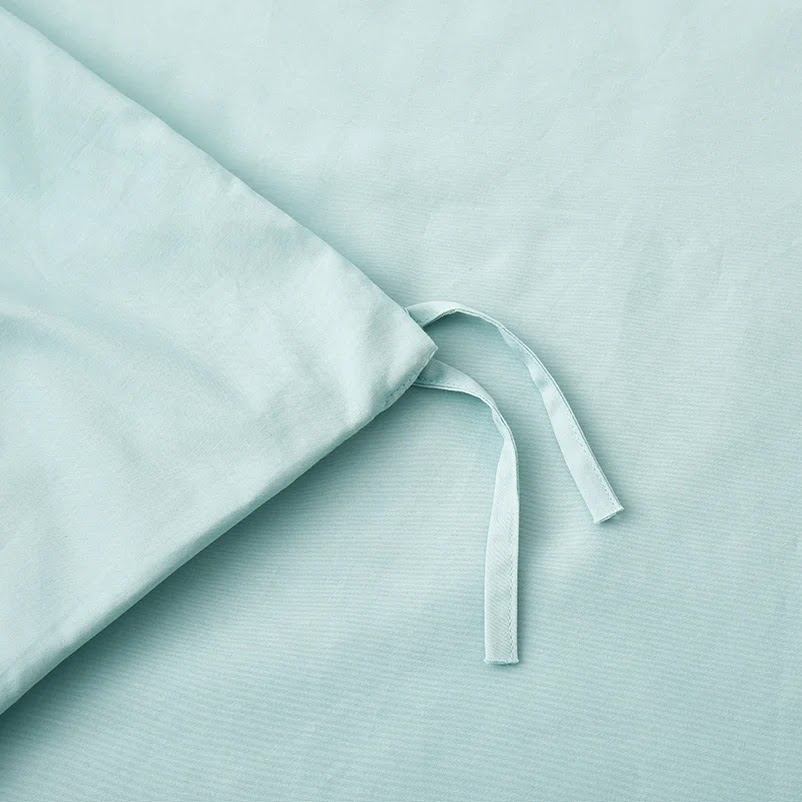
This sort of cover can be handy if you want a more washable bed set-up: perhaps a child climbs in after a rough night, perhaps the dog occasionally sneaks onto the doona, or perhaps you simply want an extra layer over a mattress you hope to keep for years.
A guest room can benefit too. After school-holiday visitors and family weekends, it is lovely to have a bed that is easy to reset.
When it may be the right choice
-
You want a washable layer over a mattress that cannot go in the laundry.
-
You are replacing old bedding and want to refresh the whole sleep routine at once.
-
You prefer a fitted layer that stays put beneath your sheets.
-
You want everyday spills and body moisture kept separate from the mattress surface.
-
You are building an allergy-friendly bedroom routine alongside regular washing and vacuuming.
When it may not be the right choice
-
You are hoping one purchase will solve ongoing sleep or allergy worries.
-
You dislike any extra layer that changes how warm or soft your mattress feels.
-
You cannot realistically wash it as its care instructions require.
-
You need protection for a particular household concern but have not checked that the cover is made for it.
If you are sorting the whole bed, not just the mattress, it helps to compare what your protector, sheets, comforter and pillows each do before adding anything to the cart.
What to look for in an allergy mattress protector
Fit, depth and edge coverage
Start with the boring measurement; it saves the most frustration. Measure your mattress width, length and depth, including any pillow-top layer. A protector can be labelled for the right bed size and still ping off the corners if its fitted skirt is too shallow.
A fitted protector slips on like a fitted sheet, hugging just the top and sides of the mattress. A full encasement takes it a step further, wrapping the entire mattress and zipping shut like a protective cocoon. There's no universal winner here, what matters most is picking the style that fits your mattress well and, just as importantly, one you'll actually be willing to peel off and toss in the wash on a regular basis.
Breathability and sleep feel
If you already sleep warm, this is worth noticing. Some protective layers can make the bed feel warmer or less soft, particularly when they include a waterproof barrier. Read about airflow and fabric feel, then think about your own room, your doona and the Australian season.
Come a warm Queensland summer, a cover that felt fine in winter can become the very thing you notice at 3 am.
Water resistance versus waterproof protection
The words sound similar, but they are not the same. Water-resistant fabric may slow a spill, while a waterproof layer is intended to stop liquid reaching the mattress. If spills are a big reason you are buying, check what is covered and whether the protector needs washing promptly afterwards.
Not every allergy mattress protector is waterproof. Not every waterproof cover feels equally breathable either.
Washability and everyday care
A protector only makes life easier if you can actually wash it. Before buying, check whether it can be machine washed, tumble dried or needs a gentler routine. One that takes hours to dry may be perfectly fine on a spare bed, but less useful on the bed you need back together that night.
That is why many of us keep a second set of bed layers. It is not glamorous, but it makes the 1 am sheet change much less dramatic.
Fabric and construction
Have a close look at the materials, especially if the protector will sit beneath your fitted sheet every night. Smooth fabric, secure stitching and a cover that does not bunch under the sheets all make the bed more comfortable over time.
You might also be thinking about your pillows. Our article on hypoallergenic pillows can help you consider the rest of the bed, rather than asking the mattress layer to do it all.
What “allergy” claims actually mean
Terms like anti-allergy, hypoallergenic and dust mite mattress protector are a starting point, not the whole answer. Look for a clear explanation of the material, construction and care routine. Be cautious with grand promises that do not explain how the cover works or how you are meant to look after it.
A fresher sleep space usually comes from a routine, not one dramatic purchase. Sheets, washing, a clean room and a protector that suits your mattress can all do their bit.
Noise, movement and shared beds
When you share a bed, a noisy protector can become oddly irritating. Stiff barriers may rustle when you turn or move under the doona. Reviews can help here, but your own sleep preferences matter most.
For a child’s room, follow the manufacturer’s age and usage guidance. Babies under 12 months need a safe cot or bassinet without loose bedding, pillows or duvets. Red Nose Australia has clear safe sleep guidance for setting up infant sleep spaces.
Price ranges and what you get at each
Protectors come in several price brackets. Price alone cannot tell you whether one will work for your bed, but it can hint at the construction, fit and kind of protection on offer.
| Price tier | What you may find | Best for | Check before buying |
|---|---|---|---|
| Entry level | Simple fitted covers with basic fabric construction | Guest beds or occasional use | Mattress depth, wash instructions and corner fit |
| Mid-range | More fabric choices, deeper fitted skirts and added protective layers | Everyday family beds | Breathability, noise and whether the cover stays smooth |
| Premium | More considered materials, detailed construction and comfort-focused design | Adults investing in a long-term bedroom refresh | Whether the extra cost matches your actual priorities |
Spend more only where it will genuinely help your home. For a very deep mattress, fit may be worth it. If you sleep hot, breathable comfort may matter more than a long list of claims.
Choosing the best protector for your bed size and household

A single-bed protector is often the easiest one to pull off, wash and dry before bedtime. Once you reach queen or king size, the laundry basket can feel like a full-body workout.
Most of us learn that only after hauling wet king-size bedding down the hallway.
Before choosing for a larger bed, think about your washing machine and the space you have for drying. A cover that is lovely in theory but impossible to manage on a wet Tuesday is not much help.
For everyday spills, a fitted protector is often the simpler option because you put it on much like a fitted sheet. It can work well on a family bed, child’s bed or guest bed needing an easy reset after visitors. Do check mattress depth, especially if you have added a topper.
Want fuller coverage? A zippered encasement wraps around the mattress, which may appeal when pets regularly climb on the bed or you are caring for a mattress long term. It takes more effort to fit and remove, especially on queen and king mattresses, so choose it when that routine feels manageable for you.
The label cannot decide this bit for you. Match the protector to your mattress depth, usual sleep temperature, laundry rhythm and the coverage you truly want. The cover that fits smoothly and is easy enough to wash is usually the one still earning its keep long after the bedroom refresh.
Common mistakes to avoid
-
Buying for the right mattress size but forgetting to measure the mattress depth.
-
Assuming a waterproof allergy mattress protector will feel just like your bare mattress.
-
Choosing complicated care instructions for the bed most likely to need a quick wash.
-
Expecting a mattress protector to replace sheet washing, bedroom cleaning and everyday home care.
-
Using loose bedding for babies instead of following safe cot and bassinet guidance.
-
Replacing every sleep layer at once before deciding which problem you are trying to solve.
Rebuilding the whole bedroom routine? The comparison ideas in our guide to anti allergy bedding Australia can help you separate what will be useful from what is simply nice to have.
Mattress condition and bedroom reset checks
Sometimes a bedroom feels a little off before you know why. Maybe there is a lingering odour, marks beneath the sheets, a protector that has gone thin or damaged, or bedding that never quite feels fresh after a big week. These things cannot tell you why anyone is sleeping poorly, but they are good prompts for a simple bedroom reset.
Begin with what you can manage this weekend.
Strip the bed, then check the mattress surface, protector and dusty corners. Wash bedding to its care labels, vacuum around and under the bed if you can, and wash pet blankets when your dog or cat has a favourite nearby spot. If pets are allowed on the bed, a washable top layer can make that routine easier without turning bedtime into a rulebook.
Check the protector’s fit too. Once it has stretched, torn, lost its elastic or stopped lying smooth, it can become more annoying than helpful. If you or your child has ongoing allergy or sleep concerns, please speak with your GP, paediatrician or maternal child health nurse. A calm home routine can support a bedroom reset; personal health questions deserve personal advice.
When you are refreshing the adult bed too

A protector works below the fitted sheet, while your duvet is the cosy layer above you. They do different jobs, and it is easier on both your budget and your bedtime to choose each layer for the job it actually needs to do.
Momomi Plush Anti-Allergy Duvet
Indicative price: A$586 to A$905, subject to change.

Thinking about giving your own bed a cozy refresh too? The Momomi Plush Anti-Allergy Duvet brings that same light, cloud-like softness to grown-up sleep spaces. Families who keep allergies top of mind will appreciate its anti-bacteria, anti-dust mite and anti-odor properties, all without harsh chemicals, small details that add up to a more peaceful night's rest.
This is simply the other half of the bed conversation: a protector helps you manage the mattress surface, while a duvet is the soft layer you reach for at the end of a long day. This duvet is for adults, not babies or young children.
Fresh bedding and the quiet ten minutes before the kids wake up can be such small, welcome rituals. You can read more about the Happy Family approach on the Momomi story.
Pros and cons
What families often appreciate
-
A washable layer is easier to manage than trying to clean the mattress itself.
-
It can help keep everyday moisture and spills away from the mattress surface.
-
It is a practical extra for guest rooms, shared beds and busy family homes.
-
The right fitted depth helps your sheets sit more neatly and comfortably.
-
A well-chosen cover can support a simpler, regular bedroom-care routine.
Things to consider
-
Some protectors change the warmth, texture or sound of the mattress.
-
Full encasements can be harder to fit and remove, especially on a heavy mattress.
-
A premium cover may not make sense when you only need occasional spare-room protection.
-
Care needs vary, and a cover that is difficult to wash may end up in the linen cupboard.
Buying checklist
Before you buy, take a moment to confirm:
-
Your mattress width, length and depth.
-
Whether you want a fitted protector or a zippered encasement.
-
Whether the cover will feel breathable enough for your usual sleep temperature.
-
Whether it offers water resistance or waterproof protection, and what that means in real life.
-
How you will need to wash and dry it.
-
Whether it may rustle or change your mattress feel.
-
That it is intended for the person and bed you are buying it for.
-
Whether it works with the rest of your bedding routine, including pillows and duvet.
A bedtime routine can shape the whole household. Gentler daytime rhythms help too, which is why our collection of sensory play for toddlers may be useful when you are looking for quieter ways to fill the hours before bath and bed.
Frequently asked questions

What is an allergy mattress protector?
Think of an allergy mattress protector as a removable layer over or around your mattress, beneath the sheets. It gives you a more washable sleep surface and an extra barrier between the mattress and everyday moisture. Designs vary, so check whether you are choosing a fitted protector or a full mattress encasement.
Do anti-allergy mattress protectors work?
They can be useful in a regular bedroom-care routine because they give you a washable layer between the sleeper and mattress. They cannot diagnose, treat or cure allergies, and they work best alongside sheet washing, bedroom cleaning and care that suits your household. The best routine is usually the one you can keep going.
What do allergy mattress covers do?
They create a removable barrier over or around the mattress, helping separate it from everyday moisture, skin cells and general household build-up. A fitted cover protects the top and sides; an encasement covers the whole mattress. Being able to wash the cover is much easier than washing the mattress itself.
Is a dust mite mattress protector the same as a mattress encasement?
Not necessarily. Picture two different setups: a fitted protector that hugs the top and sides of your mattress, versus a full encasement that zips right around every inch, corners included. Neither is universally "better", the right pick really comes down to your household. Think about the mattress you own, how often you're willing to wash things, and how much coverage gives you peace of mind.
Should I buy a waterproof allergy mattress protector?
If spills, sweat or pets on the bed are part of daily life, a waterproof allergy mattress protector may suit you. Waterproof layers can affect warmth, feel or noise, though, so look closely at those details. If liquid protection is not your main concern, a breathable fitted cover may feel better for how you usually sleep.
How often should I wash an allergy mattress cover?
Follow its care label, and wash it sooner after spills or illness. Your rhythm may change with pets, seasonal mess and little ones arriving in your bed after a bad dream. A spare set of sheets nearby can make laundry days far less stressful.
Could my mattress be contributing to allergy symptoms?
Your mattress may be one part of the bedroom to check, especially when it is older, visibly marked, has lingering odours or has not had a washable protector. Those signs cannot explain or diagnose allergy symptoms by themselves. If you or your child has symptoms that continue or worry you, speak with your GP, paediatrician or maternal child health nurse.
What is the best allergy mattress protector for a queen or king-size bed?
For a queen or king bed, look for a protector that matches the width, length and depth of your mattress while remaining manageable for your laundry routine. Fitted protectors are often easier to remove and wash. Zippered encasements give fuller coverage but take more effort to fit. Also think about sleep temperature, fabric feel and drying space.
Can children use an allergy mattress protector?
A mattress protector can go on a child’s bed when it suits that mattress and you use it as directed. For babies, keep the sleep space simple and follow Red Nose Australia guidance for a safe cot or bassinet. Do not add loose bedding, duvets or pillows to an infant sleep space.
Will a mattress protector fix allergy symptoms?
No bedding product can diagnose, treat or cure allergy symptoms. An allergy mattress protector can be one practical part of a cleaner bedroom routine, alongside washing bedding and keeping the room comfortable. If you or your child has ongoing symptoms that worry you, speak with your GP, paediatrician or maternal child health nurse.
Main Points
-
An allergy mattress protector is a practical washable layer, not a medical solution.
-
Measure mattress depth as well as width and length before choosing a fitted cover.
-
Waterproof and water-resistant protection differ, so check the wording carefully.
-
Breathability, noise and washability matter as much as any protection claim.
-
For the best long-term fit, let each sleep layer do its own job.
Final Thoughts
That quiet moment after everyone else is awake is often when you notice whether your bedroom feels restful or like another job waiting for you. An allergy mattress protector will not transform family life overnight, but the right one can make caring for your bed feel much easier.
Measure the mattress, be honest about your laundry routine, and choose the protection that fits your real home. You do not need every sleep product on the shelf, just the layers that help your bed feel clean, comfortable and ready for another ordinary, busy, beautiful day.
This article is general information only and isn't medical advice. For anything specific to your child, please speak with your GP, paediatrician or maternal child health nurse.
Product details and AUD prices are correct at the time of writing, please check momomiworld.com for the latest.


