

How to Clean Pet Mat: A Fresh-Home Routine for Paws, Fur and Accidents
You know that moment when you have just wiped the kitchen bench, your toddler is finally settled with a snack, and the dog trots in from the garden with muddy paws? Then the cat decides that very mat is the right place for a hairball. A pet mat does a lot of work in a family home, collecting fur, crumbs, damp paws and the occasional accident. This how to clean pet mat routine takes about 20 minutes for a weekly clean, plus drying time, and is simple enough to fit into real life. You will learn how to lift fur, tackle small stains, freshen lingering smells and have the mat ready for the next nap, zoomie session or lounge room cuddle.
What you will need before you start
You do not need a cupboard full of specialist products. The best pet mat washing guide is one you can manage on an ordinary Wednesday, before the school pick-up rush.
-
A vacuum with an upholstery attachment, or a handheld vacuum
-
A rubber brush, dry microfibre cloth or lint roller for stubborn fur
-
A bowl of lukewarm water
-
A mild pet-safe cleaner, used according to its label
-
Two clean cloths, one for cleaning and one for drying
-
An old towel for blotting damp patches
-
A well-ventilated place for the mat to air dry
Before adding water or cleaner, check your own mat’s care instructions. Mats vary a lot. Some have removable covers, while others are made to be wiped rather than soaked. And when your child regularly sits beside the pet, a clean mat makes that shared patch of floor feel nicer for everybody.
How to clean pet mat step by step
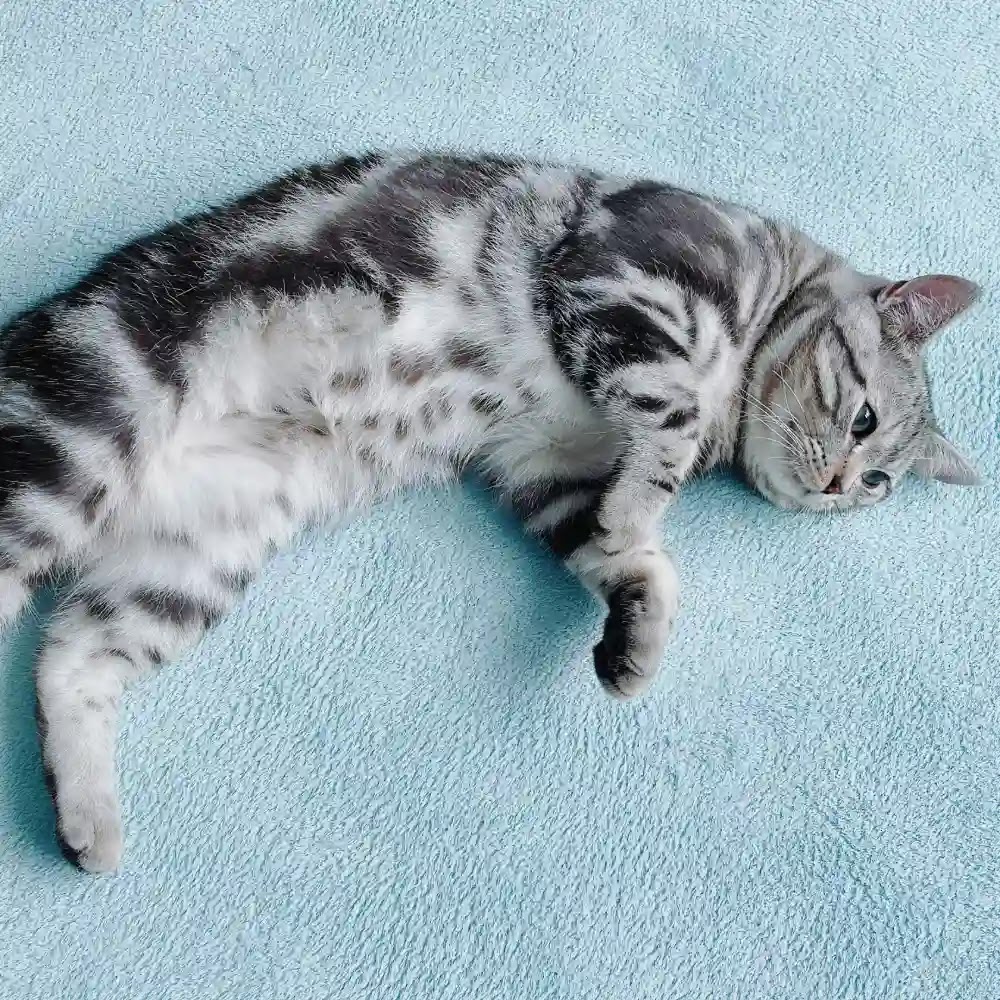
Step 1: Move the mat and shake off the loose mess
Take the mat outside, onto a balcony, or near the back door if that is easiest. Give it a gentle shake to release dry grass, biscuit crumbs and the little pile of sand that seems to follow an Australian dog home after every park visit.
In an apartment, skip the dramatic shake over the balcony railing. A quick once-over with a dry cloth works well, and keeps the downstairs neighbours happier too.
Step 2: Vacuum fur before you add moisture
Vacuum both sides, paying extra attention to seams, edges and quilted sections. Fur is much easier to lift while the mat is dry. Once water joins the party, loose hair can clump together and turn a simple job into a fiddly one.
For hair that refuses to budge, run a slightly damp rubber glove or rubber brush across the surface in one direction. It is oddly satisfying, especially with those fluffy tumbleweeds that gather beneath the couch.
If you are choosing a new resting spot for your pet, our broader pet mat article can help you think through placement, comfort and everyday use.
Step 3: Blot fresh accidents instead of rubbing them in
For wee, vomit, muddy water or a tipped bowl, act quickly if you can. Lay an old towel or dry cloth over the patch and press firmly. Keep moving to a dry part of the towel until it no longer picks up moisture.
Rubbing is tempting, especially when a child is calling for you from the other room. Still, it can push moisture deeper into the surface. Blot first, then clean the remaining mark with a small amount of pet-safe cleaner.
Never mix cleaning products. Follow the label, keep cleaners out of children’s reach and give the room some fresh air while you clean.
Step 4: Spot clean the marked area gently
Dip a clean cloth into lukewarm water with a small amount of mild cleaner, then wring it out well. You want it damp, not dripping. Work from the outside of the stain towards the centre, pressing in small motions instead of scrubbing hard.
This little detail helps stop the mark spreading into a bigger ring. Once it has lifted, go over the patch with a second cloth dampened with plain water to remove leftover cleaner.
With light-coloured mats, marks can show up sooner. Small, regular spot cleans are usually kinder to the fabric than saving everything for one enormous deep clean dog mat day.
Step 5: Freshen pet odour without masking it
A mat can look spotless and still carry a faint wet-dog smell after a humid summer afternoon. Start with fresh air, placing it somewhere shaded and well ventilated instead of leaving it in harsh direct sun for hours.
If the odour lingers, repeat the gentle clean rather than reaching for stronger and stronger fragrance. Strong scents can be unpleasant for pets, children and adults alike. They may also hide the fact that moisture has reached a deeper layer, so give the mat extra drying time before it goes back to its usual spot.
For homes where warmth is a concern, you may also find our guide to a dog cooling mat useful during the hotter months.
Step 6: Sanitise only when the situation calls for it
Everyday cleaning does not mean disinfecting every time. For most homes, regularly removing fur, dirt and food residue is the routine that matters. Keep disinfecting products for illness, a significant accident, or a mess that needs more thorough attention.
Choose a pet-safe product and follow its contact-time instructions. If the label says to remove residue, do that too. Keep curious paws and small hands away until the mat is dry. If your pet has ongoing tummy upsets, skin irritation or repeated accidents, checking in with your vet is more helpful than relying on cleaning alone.
Step 7: Dry the mat fully before putting it back
Press a dry towel over the cleaned patch, then leave the mat flat in moving air until it feels completely dry. Do not fold or stack it while any part is damp. Trapped moisture is often what leaves that musty smell behind.
This is the step I am most likely to rush when dinner is nearly ready.
It is also the one that makes the biggest difference to pet mat hygiene.
Step 8: Reset the mat where your pet actually rests
Once it is dry, return the mat to a calm spot away from food bowls, busy walkways and the direct path of a toddler on a scooter. If your dog settles there after outdoor time, keeping a small towel nearby for paws can save the mat from that first muddy lap around the house.

Picture a spilled water bowl or muddy paw prints right before dinner guests arrive, that's where the Momomi Pet Mat for Dogs & Cats earns its keep. Built with a waterproof, wipe-clean surface, it turns those everyday mishaps into a quick swipe rather than a scrubbing session. The anti-slip base keeps it firmly put, while the breathable material means it's just as comfy in summer as it is in winter. With three sizes and a variety of colours on offer, there's a fit for wherever your furry family member likes to settle in. See the Momomi Pet Mat →
Match your cleaning to your pet mat
Before reaching for the cloth, take a quick look at the mat you have. A removable fabric cover may be machine washable, but only when its care label says so. A waterproof wipe-clean surface usually needs a gentler approach, while a silicone feeding mat may come with different washing instructions again.
It takes thirty seconds, and can save you a very frustrating afternoon.
Layered mats and mats with non-slip backing often need the most patience. Too much soaking can leave them slow to dry, while very hot water, rough brushes or harsh products can wear at coatings, seams, backing or printed surfaces. When the instructions say wipe clean, a damp cloth and mild cleaner are usually the easier choice.
Try to keep the cleaning method as gentle as the mess allows. A small muddy paw print does not need the same treatment as a toilet accident, and your mat will usually last longer when you do not scrub every mark as though it has personally offended you.
Not sure whether your mat can be soaked, machine washed or tumble dried? Pause and check the label. The best routine is the one that gets it fresh again without creating a bigger laundry problem for you.
Common mistakes to avoid
-
Soaking a mat without checking the care instructions. Too much water can make drying take far longer and may affect the layers inside some mats.
-
Cleaning before removing fur. Vacuum first, then use moisture. It keeps the job simpler and prevents wet clumps of hair.
-
Using heavily scented cleaners. Fragrance can cover an odour for a while, but clean air, gentle cleaning and complete drying are more useful.
-
Putting the mat back while it is still damp. If it feels cool or damp to your hand, give it more time in a ventilated room.
-
Waiting for a major mess before cleaning. A quick weekly routine is easier than dealing with months of fur, crumbs and paw marks all at once.
A cooling mat can have slightly different care needs from a standard fabric mat, so read the instructions for your own style. You can also compare care ideas in our article on a pet cooling mat.
Prevent musty smells and mould
Wet walks, beach days and sticky summer weather can turn a perfectly ordinary pet mat into something that smells a little like the bottom of the laundry basket. Usually, the culprit is moisture trapped underneath, especially when the mat goes straight back on the floor after damp paws or a spill.
Give both sides some air.
After cleaning, lift the mat from the floor and dry the top, underside and edges before putting it back. A chair back, drying rack or flat spot with good airflow can help, as long as the mat is supported safely and away from curious children and pets. Avoid rolling it up, folding it away or sliding it under furniture while any dampness remains.
Humid weather makes drying feel slower than it should. On muggy days, leave the mat out a little longer and check the backing with your hand, not just the surface. If you can feel moisture or a cool patch, it needs more time.
If mould is visible, or a smell remains after careful cleaning and thorough drying, follow the care guidance for your mat. One that cannot be cleaned and dried properly may need replacing. It is one less thing to worry about once your pet has a clean, dry place to curl up again.
What to do next after your weekly clean

Build the clean into a rhythm that works for your household. In our home, it is often Sunday afternoon, while one child draws at the table and the other attempts to teach the dog a new trick. Five or ten minutes of fur removal each week means the deeper clean feels manageable when it is needed.
Keep an old towel by the door for wet paws, and wash it regularly. If your pet likes lying beside the bath while the kids splash, a separate kids towel for little humans and a pet towel for paws can prevent the great towel mix-up.
If you are working out which cooling style suits your home, our local guide to a pet cooling mat Australia families may consider is a useful next read.
Help your pet mat last longer
A pet mat has a busy little life. It catches that first flop after a walk, becomes a sunny nap spot, and may occasionally host a child reading beside the dog. A few small habits can help it manage all that daily family traffic for longer.
Move or rotate it from time to time if one corner gets the most sun, paw traffic or enthusiastic scratching. This is especially helpful near a back door, where one edge can end up doing all the hard work after school runs and garden laps.
Sharp claws can catch on fabric and seams, so keeping up with your pet’s usual claw-trimming routine may reduce snags. If your pet digs or chews before settling down, gently redirecting that habit where you can may be kinder to the mat too.
During the weekly clean, run your hand around the seams, backing and non-slip areas. Small signs of wear are easier to spot before they become bigger problems. You are not chasing perfection, just making sure your pet still has a comfortable place that stays put while family life carries on around them.
Frequently Asked Questions
How often should I clean a pet mat?
A quick weekly clean works well in many homes with indoor pets. Vacuum fur, shake out crumbs and wipe visible marks before they settle in. You may need to do it more often during shedding season, wet weather, or those weeks when your dog has found every muddy corner of the local oval. A deeper clean is usually needed after an accident, illness, a strong smell or a particularly enthusiastic post-beach nap. The best schedule is the one you can keep without it becoming another exhausting job.
Can I wash a pet mat in the washing machine?
Only machine wash a pet mat when its care label specifically says it is suitable. Removable covers are often easier to wash, while mats with layered interiors, waterproof surfaces or non-slip backing may need wiping and air drying instead. A washing machine can be too rough for some materials and may make complete drying harder. If you are unsure, start with gentle spot cleaning and contact the manufacturer for care advice. It is always better to preserve a mat than risk damaging it in one hurried wash.
Can silicone dog mats go in the dishwasher?
Some silicone dog mats can go in the dishwasher, but only if the care instructions say they are dishwasher safe. Check for attached backing, printed details or layered sections before putting yours in. If you are unsure, wash it by hand with lukewarm water and mild cleaner instead. It takes an extra minute, but is kinder than finding a warped mat at the end of the cycle.
Can I use vinegar to clean a pet mat?
Check your mat’s care label before using vinegar. It may not suit every fabric, coating, backing or printed surface, and it should never be mixed with other cleaning products. For everyday marks, lukewarm water and a mild pet-safe cleaner are usually enough. If you choose a cleaner beyond your usual routine, test a small hidden patch first and let the mat dry fully before your pet uses it again.
Can I use baking soda to freshen a smelly pet mat?
Baking soda may suit some dry fabric mats, but check the care instructions first. It can leave powder in seams, textured surfaces or backing, so you will need to vacuum it thoroughly before your pet settles back down. For wipe-clean or layered mats, fresh air, gentle cleaning and complete drying are often easier. A smell that keeps returning may mean moisture is still trapped somewhere in the mat.
How do I remove pet odour from a mat?
Start by removing what caused the smell, rather than covering it with fragrance. Vacuum dry fur and debris, blot any damp patch, then clean gently with a pet-safe cleaner. Remove cleaner residue as directed and give the mat plenty of time to dry in a well-ventilated place.
Fresh air does more than we give it credit for.
If a strong odour continues after thorough cleaning, check for trapped moisture or speak with your vet if your pet has repeated accidents or unusual changes in toileting habits.
What is the best way to clean dog hair from a mat?
Vacuuming is usually the quickest first step, especially with an upholstery attachment. For hair woven into fabric, a rubber glove, rubber brush or lint roller can lift what the vacuum misses. Work in one direction and empty your vacuum regularly, because pet hair fills a small canister surprisingly fast.
Clean the mat while it is dry whenever possible. Once you add water, hair tends to bunch together and stick. A two-minute fur sweep between full cleans also helps stop it travelling onto your baby’s play area or into every corner of the lounge.
Should I disinfect a pet mat after every use?
No, not usually. Regularly removing fur, food crumbs, dirt and moisture is enough for everyday pet mat maintenance. Disinfecting products are more useful after illness, a significant accident or a mess that needs extra attention. Always choose a product intended for the task, follow the label carefully, ventilate the room and keep children and pets away until the mat is dry. Using strong products too often can leave residue or create unnecessary work. A simple, repeatable routine is kinder to your schedule and generally easier to keep up.
How do I clean a pet mat after a toilet accident?
Blot the area straight away with an old towel or paper towel, pressing rather than scrubbing. Once you have lifted as much moisture as possible, clean the patch with a pet-safe cleaner according to its label. Use a separate cloth dampened with plain water if directed, then press dry towels over the area and let the mat air dry completely. Avoid covering the spot with another mat or blanket while it is damp. Repeated accidents can have many causes, so your vet can help if they are becoming a pattern.
Can I use household disinfectant on a pet mat?
Use only a product that suits the mat’s material and is safe around pets when used as directed. Household disinfectants vary widely, and some do not suit every surface. Read the label before use, never mix products, keep bottles out of children’s reach and ventilate the room. If the mat will be licked, slept on or used by a pet with sensitive skin, take extra care to remove residue as directed. A mild clean is often enough for everyday mess, with disinfecting kept for specific situations.
Why does my pet mat still smell after cleaning?
The most common reason is lingering moisture. A mat can feel dry on top while its inside or backing still holds dampness, especially in humid weather. Try laying it flat in a room with good airflow and give it longer than you think it needs.
Odour can also remain when the original spill was only partly lifted, so repeat the blotting and gentle cleaning process. Avoid adding more fragrance on top. If the smell is strong, persistent or linked with frequent accidents, your vet can advise on your pet’s individual needs.
Why does a pet mat go mouldy?
Mould can develop when moisture stays trapped in or beneath a mat for too long. This can happen after wet walks, spills, beach trips or humid weather, especially if the mat is put back on the floor, rolled up or stored before it is fully dry. Dry both sides and the edges, then give it plenty of airflow. If you can see mould or the smell remains after cleaning, follow the care guidance for your mat and replace it if it cannot be cleaned and dried thoroughly.
Main Points
-
Remove fur and dry debris before using water, because dry cleaning makes the rest of the job easier.
-
Blot accidents promptly, then clean gently from the outside of the mark towards the centre.
-
Use pet-safe cleaning products as directed, keep them away from children and ventilate the room.
-
Let the mat dry completely before putting it back, especially in humid weather.
-
A short weekly routine keeps pet mat hygiene manageable and gives your pet a fresher place to rest.
Final Thoughts
Learning how to clean pet mat properly is less about making your home look perfect and more about making everyday life feel a little easier. Pets are part of the family mess: muddy paws, shed fur on the couch, and the cat asleep exactly where you were about to sit. A clean resting spot gives them somewhere familiar to settle, while keeping the lounge room more comfortable for little hands, school bags and evening cuddles.
Start small. Vacuum the fur, deal with fresh marks quickly, use gentle products and let the mat dry fully.
That is enough. You do not need a perfect home to have a happy one. For more practical ideas about sharing your space with pets and children, browse the Momomi Pet Care articles when you have a quiet five minutes.
This article is general information only and is not veterinary advice. Please speak with your vet about your pet’s individual needs.


