

How to Reduce Dust in Bedroom: A Simple Routine That Actually Holds Up
You have just made the bed, turned around for the washing basket, and there it is again: that soft grey film on the bedside table. How to reduce dust in bedroom spaces comes down to a small weekly rhythm, not one huge clean. Give dust fewer places to settle, and your room can feel fresher without handing over your Saturday.
| When | Bedroom job |
|---|---|
| Weekly | Clear soft clutter, dust from high to low and vacuum around the bed. |
| Monthly | Clean overlooked fabrics, wardrobe tops and under-bed storage. |
| Every day | Keep bedding dry and laundry off chairs where you can. |
What you'll need
You do not need a cupboard packed with specialised cleaners. A handful of dependable basics is enough, especially on those mornings when you are trying to restore some order before everyone wakes.
A clean microfibre cloth
A vacuum with a clean filter and upholstery attachment, if you have one
A laundry basket for sheets, clothes and stray soft toys
A small rubbish bag
A damp cloth for marks on hard furniture
Fresh bedding, ready to put straight on the bed
If you use cleaning sprays or disinfectants, follow the label, keep them out of children’s reach and ventilate the room while you clean.
Why dust keeps returning, even after you clean
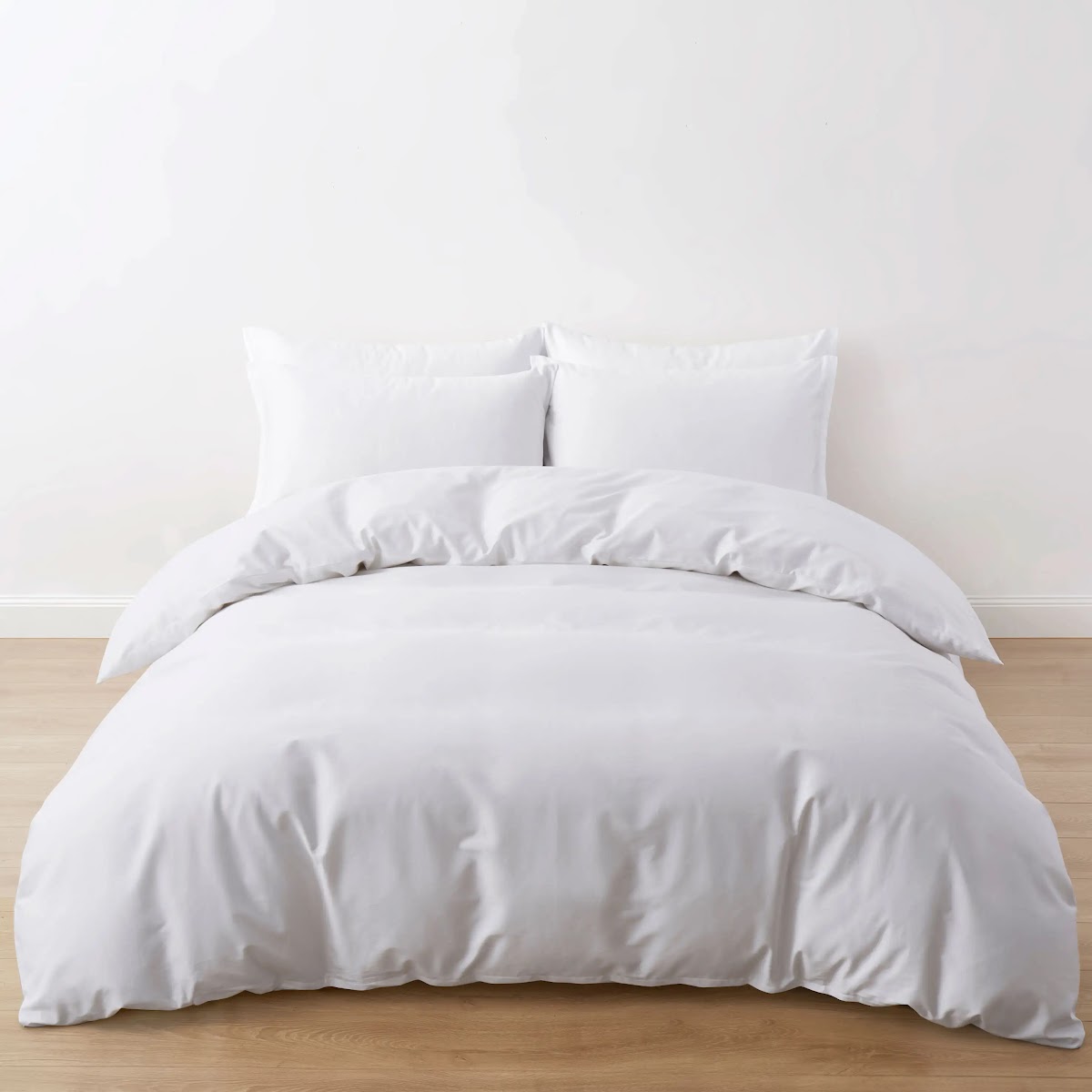
Most of it is a very ordinary mix: tiny fibres from clothes and bedding, skin flakes, outdoor dirt, hair and pet fur. It loves still surfaces, textured fabrics and those hidden corners nobody notices until bedtime.
Bedrooms gather plenty because we spend so many hours in them. Sheets shed fibres, laundry piles appear, and open windows may bring pollen, road dust or smoke particles, depending on where you live.
A dusty room is not proof that you are behind on housework. Usually, it simply has more dust-catching layers than your week can comfortably manage.
If stuffiness, dust or frequent sneezing has you looking at the whole room differently, this guide to an allergy friendly bedroom can help you go beyond the bedside-table wipe.
How to reduce dust in bedroom spaces in 20 minutes each week
Step 1: Clear the soft clutter first
Begin with the things quietly holding dust: yesterday’s clothes, dressing gowns, soft toys, school bags and that clean washing which never quite reached the drawers. Pop laundry in the basket, return toys to their room and hang up anything you will wear again.
This is what makes the rest of the clean count. Dusting around piles only passes the job to next week.
In your child’s room, one small job is enough: gathering books or putting soft toys in a basket. It will not be perfect, but it keeps the routine ordinary rather than making it a big event.
Step 2: Dust from high to low
Start high with a slightly damp microfibre cloth: the chest of drawers, shelves, picture frames, window ledges and headboard. Then come down to bedside tables and lower furniture. The damp cloth catches dust instead of flicking it back into the air.
Leave the feather duster out for this one. It may look satisfyingly fluffy, but fine dust often floats straight onto the bed you have just made.
Remember lampshades, curtain rails and wardrobe tops. These sneaky edges can make a room feel dusty again when every obvious surface is already clean.
Step 3: Vacuum the places feet and fur reach
Vacuum slowly, especially beside the bed, under furniture and along skirting boards. With carpet, give an extra pass to the spots where your child reads or a pet curls up each afternoon.
If your vacuum is suitable, use its upholstery attachment on a fabric bedhead, reading chair or bench. And check under your child’s bed: tiny socks, paper scraps and enough crumbs for a small picnic have a way of ending up there.
Empty the vacuum or follow its filter instructions regularly. A full canister or blocked filter makes even a quick clean work much harder.
Step 4: Wipe hard surfaces and touch points
Finish at the bedside tables, drawer handles, light switches and window ledge. For most bedroom surfaces, a clean damp cloth does the job. Dry timber promptly if moisture does not suit it.
Keep it simple. You are aiming for a room you can reset between school drop-off, dinner prep and the hunt for a missing library book.
Step 5: Air the room before remaking the bed
Pull the bedding back for a little while after getting up, then open windows if the weather and outdoor air quality are kind. On humid days, do not leave the room damp for hours. Fresh air is lovely; a clammy room is not.
When the room feels dry, remake the bed with clean sheets or smooth the bedding back into place. That tiny finishing touch makes the room feel peaceful before the day gets noisy again.
Keep moisture and stale air in check

A bedroom can feel dusty more quickly when it is damp or stuffy, even just after you have cleaned. Humid Australian nights, wet washing on a chair and steam wandering in after long showers can leave fabrics less fresh and give dust more places to cling.
A few little habits help. Air the room briefly when the weather and outdoor air quality are pleasant, avoid drying laundry there where you can, and make sure sheets and towels are fully dry before putting them away. Keep vents clear too; a toy basket or winter-clothes pile can slowly creep in front of one.
Your air-conditioner may make the room more comfortable, but its filter still needs regular attention. Follow the manufacturer’s instructions for cleaning or replacing it. A dusty filter is not doing anybody any favours.
Windows are not always the answer. Near a busy road, on high-pollen days or during bushfire smoke, keep them closed. Wipe ledges, vacuum floors and air the room at a calmer time instead.
Give the bed some attention, not just the furniture
The bed is usually the room’s biggest fabric surface, so give it its own rhythm. Strip sheets and pillowcases regularly, follow their care labels and make sure everything is completely dry before it goes back on. Damp fabric tucked into a made bed is never a shortcut that feels good later.
For a deeper monthly reset, vacuum the mattress surface with an upholstery attachment if its care instructions allow it. Move slowly around seams and edges, then wash the mattress protector as its label says. Our guide to choosing a mattress cleaner may help if marks or lingering odours are joining the conversation.

Picture sinking into a cloud-soft duvet after a long day, that's the feeling Momomi's Plush Anti-Allergy Duvet brings to grown-up beds. Designed for adults in allergy-conscious households, it's light, breathable and gentle against the skin, with built-in protection against bacteria, dust mites and odours, all without harsh chemicals. It's a lovely way to keep your own bed feeling clean and cosy, though it works best alongside regular washing and any guidance from your doctor, rather than in place of them.

For the same adult bedroom reset, the Momomi Anti-Allergy Bedding Sets come in White, Peach, Turquoise and Charcoal. Their hypoallergenic material has anti-bacteria, anti-dust mite and anti-odour properties, so they are one practical choice for sensitive sleepers while you settle into better laundry habits.
For babies under 12 months, follow current safe-sleep guidance and avoid loose duvets, pillows and adult bedding in the sleep space.
Give overlooked fabrics a monthly reset

The bedside table gets all the attention while curtains, blinds and that little reading chair quietly hold dust for weeks. They may not look dirty, but they belong in the same room routine.
Choose one area each month instead of tackling every fabric item at once. One month, vacuum the fabric bedhead and reading chair with a suitable upholstery attachment. The next, wipe blinds carefully or see whether curtains can be washed according to their care label. A gentle rotation is far easier to keep than a giant clean needing a whole afternoon.
Give soft toys a quick look too. Wash only those designed to be washed, following their labels, and vacuum larger toys or decorative cushions if that suits the fabric. You do not have to take every favourite away. Keeping a smaller group on the bed and rotating the rest can preserve the cosy bedtime feeling without making a fluffy dust collection.
Fabric storage boxes, upholstered benches and curtain hems near the floor can join the list. Once you spot your own dust-catching corners, the monthly job feels much less mysterious.
How to reduce dust in bedroom spaces between cleans
You will never have a completely dust-free bedroom, and you do not need that impossible standard. A few everyday habits simply make the dust easier to manage.
Keep dirty clothes in a lidded hamper or take them straight to the laundry.
Store off-season clothes in closed drawers or containers rather than open baskets.
Wash pet bedding regularly and keep it out of bedrooms if that suits your household.
Choose washable curtains or blinds that you can clean without a complicated routine.
Limit decorative cushions, fabric storage boxes and soft toys around the bed.
Wipe shoes at the door, especially after wet park days or sandy beach afternoons.
Damp bath towels add fibres to the laundry pile too, especially when they sit on a bedroom chair. A proper hook or rail for everyone helps, as does washing towels before they smell musty. This guide to choosing a kids towel has a few useful ideas for keeping the post-bath rush manageable.
For a wider look at bedding, filters and household choices, read about anti allergy products. Usually, the most helpful ideas are the ones you can repeat without family life feeling like one long cleaning schedule.
Common mistakes to avoid

Dusting after vacuuming: Dust high surfaces first, then vacuum what falls. Doing it backwards means cleaning the floor twice.
Cleaning around clutter: Clothes, soft toys and bags hold dust. Clear them before you reach for the cloth.
Putting bedding back while damp: Give sheets, protectors and duvets enough time to dry fully.
Forgetting hidden edges: Skirting boards, curtain tops, bed frames and under-bed spaces are where dust quietly builds up.
Making the routine too ambitious: A 20-minute reset you actually do beats a three-hour plan that waits for a mythical free weekend.
Frequently asked questions about how to reduce dust in bedroom spaces
How often should I dust a bedroom?
A quick weekly dust and vacuum works well for most of us, especially with pets, open windows or a busy road nearby.
You do not need to polish every surface. Do bedside tables, window ledges, floors and the space around the bed; save curtains, wardrobe tops and under-bed storage for a monthly deeper clean or when you spot a visible layer. The best routine is the one your week can hold.
Why is there so much dust in my bedroom?
It is usually the everyday mix of fabric fibres, clothing, hair, skin flakes, outdoor dirt and pet fur. Beds, carpets, curtains and laundry piles all offer somewhere for it to land.
Summer windows, school bags, uniforms and shoes can add to it too. Start with soft clutter and the floor around the bed, then see if the room stays fresher.
Can opening a window help reduce dust in a bedroom?
A window can make your room feel less stale, but it may bring in dust, pollen or traffic particles too.
It depends on your home, the weather and what sits outside your window. If dust builds up quickly, air the room for less time and wipe ledges regularly. On a calm day, a little fresh air after getting up can still be a lovely part of your reset.
What can I put in my room to reduce dust?
Closed storage, a lidded laundry hamper and washable rugs or curtains reduce the places where dust can gather.
A vacuum with a suitable upholstery attachment is useful for fabric furniture and bedheads. An air purifier may suit some homes for airborne particles, but it will not remove dust already on shelves, bedding or floors. Fewer soft layers and a repeatable weekly routine are a kind place to start.
What is the simple trick to eliminate dust?
There is no one trick that eliminates dust completely.
But wiping with a slightly damp microfibre cloth before vacuuming is one of the simplest ways to make cleaning more effective. The cloth catches dust rather than sending it around the room, and the vacuum picks up what falls. Clothes off the floor and regular bedding washes do the rest.
How can I stop dust collecting on shelves?
Keep shelves lightly styled and give them a weekly wipe with a damp microfibre cloth.
Books, photos and little collections make a room feel like yours, but lots of small objects create more dusty edges. Group a few favourites, lift them while you wipe, and use closed cupboards for the things you do not need to see daily.
How to reduce dust in bedroom spaces at night
Before bed, keep laundry off chairs, smooth the bedding and close windows when outdoor dust, smoke or pollen is noticeable.
If the room feels humid, move wet towels and washing elsewhere and use your air-conditioner according to its instructions. No nightly cleaning session is needed. A clear floor, dry bedding and a brief morning air-out on suitable days usually do plenty.
How do I reduce dust under the bed?
That space is still, shaded and wonderfully easy to forget.
Vacuum under the bed during your weekly clean, using a flat attachment or moving lightweight furniture if you can do it safely. Avoid loose bags, old clothes and cardboard boxes there. Closed containers are easier to wipe and move, while a long-handled duster helps between deeper cleans.
Do carpets make a bedroom dustier?
Carpets can hold dust, hair and fibres, while hard floors may show dust sooner. Neither automatically makes your bedroom cleaner.
It comes down to care: carpet needs regular vacuuming, while timber or tile needs vacuuming or sweeping, then a damp wipe where suitable. If your child plays there, give that area an extra vacuum. A washable rug can help too, provided you can lift and clean it easily.
Can pets make bedroom dust worse?
Pets add hair, dander and little bits of outdoor dirt to the rooms they use, especially when they sleep on the bed or favourite chair.
You do not have to ban a beloved pet from every bedroom. Regular grooming, washing pet bedding, vacuuming sleeping spots and cleaning paws after outside time can help. For ongoing family allergy concerns, speak with your GP or paediatrician about what suits your household. You can also find general allergy information through Healthdirect Australia.
What is the quickest way to make a bedroom look less dusty?
Clear what you can see, wipe the bedside table and window ledge with a damp microfibre cloth, then vacuum around the bed.
Those are the surfaces your eye notices first. Fresh sheets or a neatly smoothed bedspread can make the whole room calmer. Leave wardrobe tops, curtain rails and under-bed storage for the monthly reset. A quick tidy is not pretending everything is perfect; it is making a gentler place to return to at night.
Should I use an air purifier for bedroom dust?
An air purifier may suit some homes, but it does not replace cleaning where dust lands.
You will still need to wash bedding, vacuum floors and clear fabric clutter. If persistent breathing, skin or allergy concerns are behind the question, your GP, paediatrician or maternal and child health nurse can help with what may matter for your child. The basics remain useful whatever else you add.
Main Points
A weekly 20-minute reset can reduce the dust you see and make the bedroom easier to maintain.
Clear clothes, bags and soft clutter before dusting, because fabrics give dust somewhere to settle.
Dust from high surfaces to low ones, then vacuum floors, skirting boards and under the bed.
Keep bedding fully dry and follow care labels for sheets, protectors, pillows and duvets.
A calmer room comes from repeatable habits, not from trying to create a perfectly dust-free home.
Final Thoughts
That dusty bedside table is not a sign your home is out of control. It is one of those quiet jobs that grows while you are doing everything else: packing lunches, answering calls and finding a lost shoe five minutes before leaving. Once you know how to reduce dust in bedroom spaces with a small weekly rhythm, it feels far less endless. Clear the fabrics, wipe the high spots, vacuum where dust settles and give the bed a proper reset when it needs one.
Some weeks, you will manage the full routine. Other weeks, you will wipe the bedside table and call it a win.
Both count. Your bedroom does not need to resemble a hotel to feel restful. It just needs enough room for you to breathe out, climb into bed and enjoy that rare, quiet moment at the end of the day.
Every family and every little one is different, so please treat what you've read here as friendly, general guidance rather than a diagnosis or prescription. If something feels specific to your own child's needs, your GP, paediatrician or maternal and child health nurse is always the best person to ask.


