

Dog Lick Mat: Why This Simple Enrichment Tool Is So Popular With Trainers
The blender starts, the children begin their breakfast negotiations, and your dog is suddenly right under your feet, hopeful for a fallen bit of toast. A dog lick mat can give them a calm, focused little job nearby while you get through the ordinary family scramble. Trainers often use them not because licking magically fixes behaviour, but because a food activity can help a dog settle during a busy moment.
Used with a little thought, a lick mat for dogs can turn those hectic few minutes into a familiar routine. It helps to know what it may support, what it cannot do, and when your dog might need something different. For ideas on making a comfortable spot for your pet, see our guide to choosing a pet mat.
The short answer
A dog lick mat is popular because it gives your dog a quiet, food-motivated job that fits easily into everyday life. Trainers often use food enrichment as one part of a wider plan: it can help your dog practise settling while something very normal is happening around them, whether that is visitors at the door, dinner on the go, or children arriving home.
Its real strength is practical, not miraculous.
A slow feeder lick mat can keep a food-loving dog busy longer than the same food in a bowl, buying you a small window to unpack groceries or answer the door.
TL;DR: A lick mat can be a useful enrichment tool and a helpful routine cue. It is not a cure for anxiety, boredom, guarding, barking or distress, and you should always supervise until you know how your dog handles it.
1. Licking gives dogs a focused activity
Your dog already explores plenty of life with their mouth. By spreading a small amount of suitable food across a textured mat, you make it a slower job than one quick mouthful followed by a return to the household mayhem.
That focus can be especially handy in the after-school rush. Rather than asking your dog to ignore all the noise, movement and snack crumbs, you are giving them an appropriate activity in their own spot.
Dogs need chances to do dog things in ways that suit them and keep everyone safe. The RSPCA’s advice on enrichment is a lovely reminder that choice, novelty and supervision matter more than any one particular object.
There is no need to make it complicated. A thin layer of food your dog already tolerates is enough to start.
2. It can make everyday routines easier
Most of us are not hoping for a perfectly peaceful house. We just need five uninterrupted minutes to put shoes on a toddler, wipe Weet-Bix off the bench, or bring the shopping in from the car.
That is where a dog enrichment mat can earn its place. Bring it out at predictable times and your dog may begin to recognise it as part of a quieter routine. One family might use it while the baby is fed; another may save it for the doorbell just before grandparents arrive.
Small routines really do help. Put the mat in the same low-traffic spot, use the same simple cue, then collect it when your dog has finished.
A designated resting area can make this easier, especially in an open-plan lounge room where dogs, children and toys all seem to gather in the very same square metre.
If warm weather sends your pet looking for cool tiles, our guides to a dog cooling mat and a pet cooling mat cover different ways to think about comfort at home.
3. It slows down food that would otherwise disappear quickly
With a slow feeder lick mat, the snack stays the same but the pace changes. Your dog has to work around each little groove instead of gulping a treat and immediately returning to inspect the kitchen floor.
Do keep an eye on the portion, though. A mat can look bigger than a bowl, and it is surprisingly easy to spread more food than you meant to. Use a small amount from your dog’s usual daily allowance, and keep richer extras occasional unless your vet has advised otherwise.
Frozen food may last longer, but it is not automatically the better choice. Some dogs simply lose interest; others find food that is too difficult to reach frustrating.
Start easy, then watch for a relaxed, engaged dog rather than a frantic one.
For a broader look at choosing a comfortable mat for pets in Australian homes, our pet cooling mat Australia guide may help you think through placement, cleaning and everyday use.
4. It helps you build useful training habits
Tools that reward the behaviour you would like to see can be wonderfully useful. A lick mat can become part of teaching your dog that some moments are for settling on their bed or in their corner, rather than joining every bit of household action.
Picture the front door opening after school. Before the children tumble inside, you place the prepared mat in your dog’s usual spot. You are not asking for perfect behaviour overnight; you are gently practising a calmer alternative until it feels familiar.
It works best beside ordinary training, never instead of it. Your dog still needs clear boundaries, exercise suited to their age and breed, and patient practice with the situations they find hard.
At first, keep children out of this particular training job. Food can make some dogs more protective, including dogs who are usually very gentle. You can put the mat down, give your dog room to enjoy it, and pick it up again; young children should not reach towards a dog while they are eating.
What the evidence cannot promise

Enrichment has a sensible place in good pet care, but there is far less direct research showing that one specific dog lick pad changes a particular behaviour for the long term. That is an important difference to hold onto.
A lick mat may help you through one moment. It cannot tell you why your dog is pacing, barking, chewing furniture, or struggling when left alone.
Nor can it replace professional support for a dog who is distressed, aggressive, guarding food, or suddenly behaving differently.
Watch your dog, not the promises around the mat. A suitable activity tends to look calm and purposeful. If your dog grabs it, chews pieces off it, guards it, gets wound up, or cannot settle afterwards, stop using it and speak with your vet or a qualified force-free trainer about what comes next.
The same common-sense approach applies to the floor beneath your dog. When pets and little ones share a space, our explainer on play mat safety standards can help you think through materials and everyday supervision.
Pros and Cons
What Parents Love
It gives your dog a quiet activity during the busiest parts of a family day.
A small food portion can last longer than a quick snack from a bowl.
It offers a simple way to practise a “settle in your spot” routine.
You can use it indoors without bringing another noisy toy into the lounge room.
It can suit a puppy learning household routines or an adult dog who enjoys food puzzles.
Things to Consider
Some dogs chew the mat instead of licking it, so staying close is essential.
Food in the grooves needs cleaning after every use, especially sticky foods.
Without measuring first, it is easy to add extra calories by accident.
On its own, it will not solve fear, separation distress, food guarding or other behaviour concerns.
When a lick mat is not the right answer
Give the mat a miss if your dog is likely to tear, swallow, or chew pieces from it. The same goes for a dog who becomes tense around food, rushes at children nearby, or has been given a specific feeding plan by their vet.
Another activity may simply suit your dog better. Some dogs would rather play a sniffing game, have a supervised scatter of their regular kibble in the garden, enjoy a walk with time to smell, or take a quiet nap away from family traffic.
If your dog suddenly refuses food, seems uncomfortable, or has a marked behaviour change, a new enrichment activity is not the first thing to troubleshoot.
Speak with your vet about your dog’s individual needs.
Practical ways to use one at home

Begin at a calm, ordinary time of day. Spread a small amount of dog-safe food your pet already eats across the mat, set it on a stable surface, and stay nearby while they get to work.
Try it while you prepare dinner, rather than at the very most chaotic point of the evening.
Keep it away from toddlers, visiting children and other pets while your dog eats.
Take it away once your dog has finished instead of leaving it out as a chew toy.
Wash it promptly so old food does not dry into the textured areas.
Notice what your dog enjoys. Easy licking, steady interest and a relaxed body matter more than how long the mat occupies them.

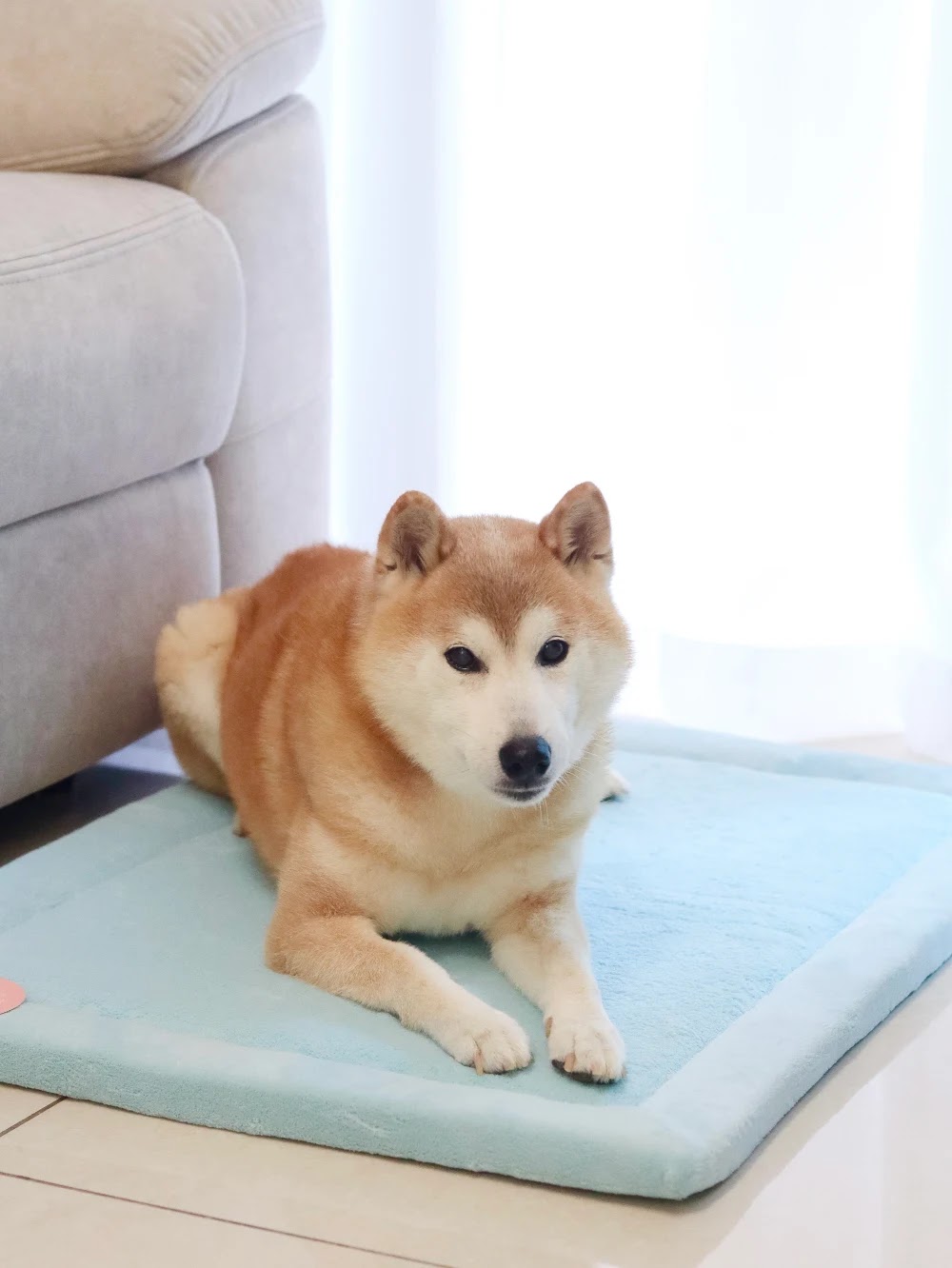
Picture a tidy little corner just off the lounge room where mealtime mess stays put instead of trailing through the house, that's exactly what the Momomi Pet Mat for Dogs & Cats is designed for. It gives your dogs, cats and other furry family members a flat, dedicated spot to call their own, available in three sizes to suit any space. The surface is easy to wipe clean, anti-slip and waterproof, so everyday drips and paw prints are no match for it. Breathable across every season and lab-tested for pet safety, it's a simple way to keep things tidy without sacrificing comfort.
Keep the lick mat itself as a separate, supervised activity. The pet mat can simply mark out where it happens, which is especially nice when your dog wants to stay close to the family without being under everybody’s feet.
What to look for before buying
That first eager lick can turn into a very different afternoon if your dog decides the mat is there to tug and chew. Look for one sturdy enough for supervised food play, with textured areas that hold soft food without making every mouthful feel like hard work.
Size matters more than it seems. A small mat works for a measured treat or little portion of dinner, while a larger surface can make it all too easy to spread too much food.
Match the mat to what you truly plan to serve, not to the biggest snack your dog would happily accept.
On smooth flooring, tiles, or another flat surface, suction bases may help stop the mat sliding as your dog licks. They do not make it safe to leave your dog alone with it. The best choice is one you can wash thoroughly, inspect easily, and bring out only for supervised food time.
Cleaning and checking after use
Once your dog has finished, the little grooves can look harmless, until you spot yesterday’s peanut butter still hiding there at breakfast. Rinse or wash the mat promptly, then use a small brush to reach food caught in the texture before letting it dry completely.
In family homes, where pets and children share the same floors, that small habit is particularly helpful. Sticky residue gathers dust and pet hair, and a clean, dry mat is much nicer to pick up when the next busy moment rolls around.
Give the edges and textured parts a quick check every time.
If the mat is cracked, torn, heavily worn, or missing pieces, stop using it. It is a food activity, not a general chew toy, so putting it away after each use keeps that simple boundary clear for your dog.
Frequently Asked Questions

Are dog lick mats actually good for dogs?
Dog lick mats can be a lovely enrichment option for dogs who enjoy licking and can use one safely while you supervise. They give your dog a focused food activity and can settle nicely into a predictable household routine. They are not a match for dogs who chew or swallow non-food items, become protective around food, or need a vet-directed feeding plan.
Do lick mats help with dog anxiety?
A lick mat may give some dogs a calmer activity during a mildly busy moment, but it does not treat anxiety. If your dog has ongoing distress, panic, destructive behaviour, snapping, or trouble coping alone, speak with your vet. They can help you work out whether further support or a behaviour plan would be right.
What can I put on a dog lick mat?
Use a small amount of food your dog already eats and tolerates well. Many of us use part of a regular meal or a simple dog-safe spread instead of adding an extra snack. Check ingredients carefully, avoid foods your vet has advised against, and clean sticky toppings out of the mat straight after use.
Can I freeze a lick mat for my dog?
You can freeze a lick mat if your dog enjoys it and manages the firmer texture comfortably. Freezing may make the food last longer, though some dogs find the activity frustrating. Begin with an unfrozen mat, then try a lightly chilled version and see how your dog responds.
How often should I give my dog a lick mat?
You can use a lick mat as often as it fits your dog’s food allowance, routine and behaviour around food. In many homes, it works best for particular moments, such as dinner preparation or visitors arriving. Variety matters too, so mix it up with walks, sniffing games and quiet rest.
Can you leave a dog alone with a lick mat?
No, do not leave your dog alone with a lick mat. Even a dog who usually licks calmly can begin chewing the edges, pull at the mat, or become unsettled when food is hard to reach. Stay close while they use it, then remove it when they are finished and check for wear.
What is the difference between a snuffle mat and a lick mat?
Picture your pup burying their snout into fuzzy folds, hunting down bits of kibble tucked away in a snuffle mat, that's the scent-driven fun in action. A lick mat takes a different approach, spreading soft, wet food across grooves and bumps for slow, satisfying licks. Some dogs are natural sniffers at heart, others just want to lick away happily, and plenty are happy to switch between the two depending on the day.
Main Points
A dog lick mat is popular because it gives your dog a focused, low-noise food activity.
It can support a predictable settling routine during the usual family bustle.
Use small portions from your dog’s regular food allowance and wash the mat after every use.
Supervision matters, especially around children, multiple pets and dogs who like to chew.
Think of it as a management tool, not a treatment for behaviour or health concerns.
Final Thoughts
There is something rather lovely about your dog having their own small job while the rest of the house carries on in its usual beautiful mess. A lick mat will not make school mornings silent or stop a toddler dropping snacks, but it can give your dog a familiar little ritual among all that movement.
Start simply, stay close, and notice what your own dog enjoys.
If they settle into it happily, you may have found one more practical way to make the lounge room feel easier for every member of the family, paws included.
This article is general information only and isn't veterinary advice. Please speak with your vet about your pet's individual needs.


